FAQs on Shoulder Dislocation Treatment in Bangalore | Praxis Ortho Care

Shoulder Dislocation Treatment in Bangalore | Praxis Ortho Care

Why do shoulders dislocate?

The shoulder joint is a ball in socket joint and is the most mobile joint in the human body. The socket, however, is quite shallow and there are no bony constraints which means that the ball can come out of the socket – this is called a dislocation. The ligaments around the shoulder are important stabilizers. The labrum is a ring-like structure around the edge of the socket that’s also very important for stability. It acts a little bit like a wedge under an airplane tire to keep the tire, or in this case, the ball of the shoulder, from moving too far. Muscles around the shoulder, particularly the rotator cuff muscles and muscles around the shoulder blade (rhomboids, trapezius, latissimus) are also important for providing dynamic stability to the shoulder.

If a sufficient force is applied to the shoulder, the static stabilizers of the shoulder (bone, ligaments, labrum) can tear and the shoulder dislocates. Sometimes, this doesn’t require much force, especially if you are loose-jointed, to begin with.

What can be done to prevent this?

There is no definite way of preventing a shoulder dislocation. Make sure you do not get hurt and maybe avoiding contact & collision sports, like rugby. Otherwise, maintaining really good strength of your dynamic stabilizing muscles may help reduce the likelihood of dislocation. The keys here are the rotator cuff muscles and the muscles around the shoulder blade. The showoff muscles like the biceps, triceps, and deltoid are less important for shoulder stability.

What do I do if I dislocate a shoulder?

The first step is getting it back in place. Sometimes this occurs spontaneously and if it does, you will feel better almost immediately. If this doesn’t happen, the best thing to do is to immobilize your arm and get to a hospital as quickly as possible. Nerve damage can occur when the shoulder is dislocated for a long time. Often, in the emergency department, X-rays will be taken first to confirm the injury. Then the shoulder is put back in place using gentle traction maneuvers, along with sedation and pain medicine.

What happens when the shoulder dislocates?

Typically, the labrum and ligaments are torn after a shoulder dislocation from an injury. Sometimes, fractures of the ball or socket can occur. In older people, it is more common for the rotator cuff to tear after a dislocation. In younger patients, this is not likely. If a rotator cuff tear is suspected, an MRI may be ordered. If a tear is found, surgery is often recommended, as the rotator cuff will not heal on its own and the tear may lead to ongoing pain and weakness.

Where should I go after the reduction?

Follow up with an orthopedic surgeon, preferably a shoulder specialist. Shoulder Dislocation Treatment in Bangalore – Dr. Sushal Shanthakumar says, It’s probably best to be seen within a week of injury to get a plan together and see if any other testing, like an MRI, is going to be helpful.

How are dislocations treated?

Treatment depends on many factors. Age, sex, level of activity and type of sport are all important considerations, as well as whether this was a first-time dislocation, if it happened before, and if there’s a fracture or rotator cuff tear that needs to be addressed. People at the highest risk for recurrent dislocations are young males who play contact or overhead sports. So an 18-year-old high school kabbadi player may be treated very differently than a 50-year-old who fell in the bathroom.

Will I need surgery?

Probably not, but that depends on the factors I just listed. Many people who dislocate their shoulders the first time will not have ongoing issues. As you get older, the likelihood of the shoulder dislocating again goes down. Why? For one, your tissues stiffen as you age. Older people are also less likely to participate in collision sports.

How do you treat a dislocation?

If you do dislocate, your doctor will most likely prescribe a period of immobilization, ice, and anti-inflammatory medication. When the shoulder starts to feel okay, you can get it moving again and then work on strengthening those dynamic stabilizers (rotator cuff and shoulder blade muscles) to decrease the chances of another dislocation. The recovery process may take weeks.

Why do people need surgery?

Sometimes there are associated injuries (fractures, rotator cuff tears) that need to be addressed. The most common reason is that the shoulder keeps dislocating again and again, often with less and less force involved. If we think someone is a very high risk for this happening, like our 18-year-old kabbadi player, we may recommend surgery after just one dislocation.

What is the surgical treatment?

Shoulder Dislocation Treatment in Bangalore – The most common surgery is called a “Bankart repair.” Bankart was a surgeon who described the labral tear, often seen with a shoulder dislocation. This was in the 1930s. A Bankart repair involves reattaching the torn labrum back to the socket with anchors. This can be done in an open fashion or through minimally invasive arthroscopic techniques. The newer technique currently is the minimally invasuve arthroscopy surgery. When somebody has had multiple dislocations, there is often a bone loss that occurs on the ball and/or socket. If this is the case, a Bankart repair is less successful and other procedures that address the bone loss may be a better option.

Are there any long-term issues?

One concern is that the shoulder is going to dislocate again. The likelihood of that depends on evaluating the risk factors I talked about earlier. The other long-term concern is arthritis which has been associated with repeated dislocations.

Contact us at Praxis Ortho Care -Shoulder Specialists to book an appointment! Call   +91-96864 18750
Shoulder Injuries in Cricket | Best Sports Orthopedic Doctor in Bangalore

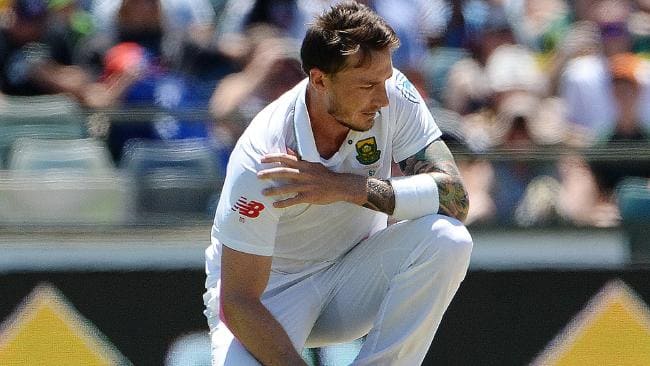
Best Sports Orthopedic Doctor in Bangalore – The act of bowling is a complex movement that requires a healthy functioning shoulder where muscles, tendons, ligaments, and bone all move in a synchronized and stable pattern. Because of the complexity of this movement, subtle abnormalities can lead to the development of shoulder pain and discomfort.

Types of shoulder pain experienced :

  • Dull Aching Pain: Often deep in the shoulder or extending down the upper arm or upper back and often cannot be pinpointed by a finger.
  • “Dead Arm Syndrome”:  A sudden feeling of numbness and weakness/lack of strength of the involved arm for a couple of minutes.
  • Night Pains: Sometimes the pain is not too bad during the day but causes pain in the night that can disturb sleep.

When people complain of shoulder pain when bowling, it’s critical to understand exactly where in the bowling motion there is an abnormality, and what might be causing this problem. It is imperative to have an idea of the bowling mechanics before anyone proceeds with the treatment.

Phases of bowling :

Dr. Sushal Shanthakumar, Best Sports Orthopedic Doctor in Bangalore says, Most of the shoulder pain is reported among the bowlers during the final 3/4 phases. We can compare the bowling phases to that of pitching ( a most common source of literature on the web )

Once you have a clear understanding of the biomechanics, a thorough detailed evaluation of the patient is necessary.

Patient age is relevant in that certain diagnoses are more common in particular age groups:

  1. Shoulder pain in adolescent bowlers shoulder raises a concern of physical injury.
  2. Young bowlers may have problems with laxity
  3. Older bowlers commonly have rotator cuff pathology.
  4. Those in the middle of their careers may suffer from both laxity and rotator cuff issues.

Timing of symptoms during the throwing/bowling motion is important in formulating a differential diagnosis:

  1. Pain during cocking is can suggest labral pathology, internal impingement, laxity and/or instability.
  2. Pain during the acceleration phase is seen with anterior instability
  3. Pain after ball release or deceleration phase is frequently associated with rotator cuff pathology.
  4. Pain during follow-through may indicate posterior instability.

Timing of symptoms during the game is also important. Pain occurring late in the game or after repeated bowling suggests fatigue typically of the rotator cuff muscles.

Common Throwing Injuries In the Shoulder

SLAP Tears (Superior Labrum Anterior to Posterior)

In a SLAP injury, the top (superior) part of the labrum is injured. This top area is also where the long head of the biceps tendon attaches to the labrum. A SLAP tear occurs both in front (anterior) and in the back (posterior) of this attachment point.

Typical symptoms are a catching or locking sensation, and pain with certain shoulder movements. Pain deep within the shoulder or with certain arm positions is also common.

(Left) The labrum helps to deepen the shoulder socket.

(Right) This cross-section view of the shoulder socket shows a typical SLAP tear.

Biceps Tendinitis and Tendon Tears

Repetitive throwing can inflame and irritate the upper biceps tendon. This is called biceps tendinitis. Pain in the front of the shoulder and weakness are common symptoms of biceps tendinitis.

Occasionally, the damage to the tendon caused by tendinitis can result in a tear. A torn biceps tendon may cause sudden, sharp pain in the upper arm. Some people will hear a popping or snapping noise when the tendon tears.

(Left) The biceps tendon helps to keep the head of the humerus centered in the glenoid socket. (Right) Tendinitis causes the tendon to become red and swollen.

Rotator Cuff Tendinitis and Tears

When a muscle or tendon is overworked, it can become inflamed. The rotator cuff is frequently irritated in throwers, resulting in tendinitis.

Early symptoms include pain that radiates from the front of the shoulder to the side of the arm. Pain may be present during throwing, other activities, and at rest. As the problem progresses, pain may occur at night, and the athlete may experience a loss of strength and motion.

Rotator cuff tears often begin by fraying. As the damage worsens, the tendon can tear. When one or more of the rotator cuff tendons is torn, the tendon no longer fully attaches to the head of the humerus. Most tears in throwing athletes occur in the supraspinatus tendon.

Rotator cuff tendon tears in throwers most often occur within the tendon. In some cases, the tendon can tear away from where it attaches to the humerus.

Problems with the rotator cuff often lead to shoulder bursitis. There is a lubricating sac called a bursa between the rotator cuff and the bone on top of your shoulder (acromion). The bursa allows the rotator cuff tendons to glide freely when you move your arm. When the rotator cuff tendons are injured or damaged, this bursa can also become inflamed and painful.

Internal Impingement

During the cocking phase of an overhand throw, the rotator cuff tendons at the back of the shoulder can get pinched between the humeral head and the glenoid. This is called internal impingement and may result in partial tearing of the rotator cuff tendon. Internal impingement may also damage the labrum, causing part of it to peel off from the glenoid.

Internal impingement may be due to some looseness in the structures at the front of the joint, as well as tightness in the back of the shoulder.

This illustration shows the infraspinatus tendon caught between the humeral head and the glenoid.

Instability

Shoulder instability occurs when the head of the humerus slips out of the shoulder socket (dislocation). When the shoulder is loose and moves out of place repeatedly, it is called chronic shoulder instability.

In throwers, instability develops gradually over years from repetitive throwing that stretches the ligaments and creates increased laxity (looseness). If the rotator cuff structures are not able to control the laxity, then the shoulder will slip slightly off-center (subluxation) during the throwing motion.

Pain and loss of throwing velocity will be the initial symptoms, rather than a sensation of the shoulder “slipping out of place.” Occasionally, the thrower may feel the arm “go dead.” A common term for instability many years ago was “dead arm syndrome.”

Glenohumeral Internal Rotation Deficit (GIRD)

Best Sports Orthopedic Doctor in Bangalore – As mentioned above, the extreme external rotation required to throw at high speeds typically causes the ligaments at the front of the shoulder to stretch and loosen. A natural and common result is that the soft tissues in the back of the shoulder tighten, leading to loss of internal rotation.

This loss of internal rotation puts throwers at greater risk for labral and rotator cuff tears.

Scapular Rotation Dysfunction (SICK Scapula)

This photograph shows an abnormal positioning of the scapula on the right side. Reproduced with permission from Kibler B, Sciascia A, Wilkes T: Scapular Dyskinesis and Its Relation to Shoulder Injury. J Am Acad Orthop Surg 2012; 20:364-372.

Proper movement and rotation of the scapula over the chest wall are important during the throwing motion. The scapula (shoulder blade) connects to only one other bone: the clavicle. As a result, the scapula relies on several muscles in the upper back to keep it in a position to support healthy shoulder movement.

During throwing, repetitive use of scapular muscles creates changes in the muscles that affect the position of the scapula and increase the risk of a shoulder injury.

Scapular rotation dysfunction is characterized by drooping of the affected shoulder. The most common symptom is pain at the front of the shoulder, near the collarbone.

Dr. Sushal Shanthakumar – Best Sports Orthopedic Doctor in Bangalore says that In many throwing athletes with SICK scapula, the chest muscles tighten in response to changes in the upper back muscles. Lifting weights and chest strengthening exercises can aggravate this condition.

To learn more about our orthopedic services or schedule an appointment, visit our Blog portal, or give us a call at +91-9686418750.

Shoulder pain after breast cancer | Best Shoulder Pain doctor in Jayanagar

Best Shoulder Pain doctor in Jayanagar | Praxis Ortho Care

In this podcast, Dr. Sushal Shanthakumar, the Best Shoulder Pain doctor in Jayanagar, going to discuss about “Shoulder pain after breast cancer treatment” Breast cancer treatment is a life-saving treatment and there are no two ways about its necessity, adequacy and curing capabilities. As you may know, cancer cannot be cured with mild treatment and when protecting the life of the patient is paramount, it calls for strong treatment modalities.  We are fortunate to have so many targeted treatments.  Due to the intensity of the breast cancer treatment, it may leave the patient with some side effects post the treatment regimen.  Physical ailments that arise out of breast cancer treatment can range from minor to major.  It may include experiencing pain, numbness, and loss of mobility.  Almost all aspects of the treatment may cause stiffness, reduced range of motion of the body part and loss of strength.  The side effects may also include swelling and sensory disturbances.  One of the common repercussions post breast cancer treatment is shoulder pain.  It can become a potential challenge to go about and do your day-to-day activities, thereby limiting your body movements and affecting mentally as well.  Shoulder pain post breast cancer treatment can go to such an extent that seemingly simple household tasks like changing a ceiling light bulb or taking an item from the top shelf of the cupboard may be a hard thing to do.

To listen to the podcast carefully, click the play button below or to learn more about our orthopedic services visit our social media pages or schedule an appointment, or give us a call at +91-96864 18750.

Cortisone Injections and Shoulder Pain | Shoulder Pain Treatment Near Me

Shoulder Pain Treatment Near Me in Bangalore

In this podcast, Dr. Sushal Shanthakumar, the best shoulder specialist in Jayanagar, Bangalore going to discuss about “ Cortisone injection!- will it helps from shoulder pain?”

When you have inflammation, cortisone injections are designed to relieve the symptoms in a specific part of your body. You can get them for your ankle, hip, knee, spine, wrist, elbow, and shoulder. But, cortisone injections have a variety of side effects that limit the number you can receive in a year. What are the potential side effects, and what should you expect when you get an injection in the shoulder?

Ok stay stunned!

To listen to the podcast carefully, click the play button or to learn more about Best Shoulder Pain Treatment Near Mein Bangalore or schedule an appointment or give us a call at +91-96864 18750.

Shoulder Impingement Syndrome: Swimmer’s Shoulder |Praxis Ortho Care

Best Sports Injury Treatment in Bangalore | Praxis Ortho CareIn this podcast, Dr. Sushal Shanthakumar, Best shoulder specialist in Jayanagar- Bangalore, going to discuss about Swimmer’s Shoulder Impingement Syndrome.This episode is mainly dedicated to swimmers.Did you know the average swimmer performs between 1 and 2 million strokes annually with each arm? Whether you’re an athlete or just someone who likes to swim in their free time, Swimmer’s Shoulder can be a serious problem.Swimmer’s Shoulder is the moniker for Shoulder Impingement Syndrome. This is an umbrella term used to cover a range of painful injuries caused by overuse of the shoulder.If you’re experiencing shoulder pain, read on to learn more about Shoulder Impingement Syndrome including the causes, risks, treatments, and more.Stay tuned with us!To listen to the podcast carefully, click the play button or Book an appointment for Best Sports Injury Treatment in Bangalore or call us +91 9686418750 or Follow us on Facebook to know more.

How Winter Will Affect Your Shoulder? – Shoulder Treatment in Jayanagar

Shoulder Treatment in Jayanagar, Bangalore – Praxis Ortho CareIn this podcast, we are going to discuss about major shoulder related issues that affect your shoulder during the winter season.As you are aware that Changes in weather affect a person’s health. In orthopedics, the winter can lead to problems with muscles, bones, and joints. As you know, Your shoulder is one of the most used muscles and joints in your entire body, and the same the shoulder most Vulnerable when the seasons change. Know, how the weather can hurt your shoulder, and what precaution you should take to avoid it.To listen to the podcast carefully click the link below or book an appointment for Best Shoulder Treatment in Jayanagar, Bangalore or Follow Us on our social media page to know more about Praxis Ortho Care.

Best Shoulder pain treatment in Jayanagar | Shoulder pain at night

Best Shoulder pain treatment in Jayanagar, Bangalore | PraxisOrthoCare

Shoulder pain can make the most simple activity difficult. Suddenly, brushing your teeth, getting dressed, and driving can become excruciating.

In today’s episode, Dr.Sushal Shanthakumar is going to discuss more on Shoulder pain at night.

If you’re experiencing discomfort in one (or both) of your shoulders, it’s important to seek medical advice before assuming the issue is something trivial. While it may be the result of sleeping in an unusual position, or due to a minor strain after a workout, it’s also possible to feel aches and pain as a result of rheumatoid arthritis or a heart attack. Best Shoulder pain treatment in Jayanagar-Shoulder pain after sleeping is one of the most common symptoms for patients with shoulder conditions such as shoulder impingement, bursitis, tendinitis, rotator cuff tears, frozen shoulder, and arthritis.

To listen to the podcast carefully click the link below or book an appointment or check out our social media page to know more about orthopedic.

Rotator Cuff Injury Treatment in Bangalore | Rotator Cuff Tear Podcast

Rotator Cuff Injury Treatment in Bangalore – A tissue tearing which connects muscle to bone (tendons) around the shoulder joint is a Rotator cuff tear.  A rotator cuff tear usually occurs in people who repeatedly perform the same shoulder motions in their jobs or sports. Examples include painters, carpenters, and people who play a massive role as an athlete. 
In today’s episode, Dr. Sushal Shanthakumar – the Best Orthopedic Surgeon in Jayanagar is going to discuss more on Rotator cuff tear Injuries.To listen to the podcast carefully, click the play below :

For More information visit: www.praxisorthocare.com or Follow us on Facebook & Twitter.

Best PCL Reconstruction Surgeons in Bangalore – PCL Injuries Podcast

Best PCL Reconstruction Surgeons in Bangalore | Praxis Ortho CareIn this podcast episode, Dr.Sushal Shanthakumar is going to discuss more on Posterior Cruciate Ligament (PCL) Injuries. The posterior cruciate ligament is along with its counterpart Anterior cruciate ligament supports the thigh bone (Tibia) and the shinbone which the larger lower bone (Femur). They are placed in the form of “X” at the knee. The occurrence of PCL injury not as common as ACL injury. In the case of PCL injury, the symptoms appear similar to that of ACL injury. Immediate swelling and instability appear after the injury.
Stay tuned!
To listen to the podcast carefully, click the play button below:


For More information visit: http://www.praxisorthocare.com or Follow us on Facebook & Twitter. 

Shoulder Pain after Breast Cancer treatment in Bangalore

Shoulder Pain After Breast Cancer Treatment in Bangalore – Dr.Sushal Shanthakumar says, Shoulder problems are very common after treatments for breast cancer; such problems are normally not a sign that your cancer has returned or spread. Up to 68% of patients with breast cancer experience shoulder pain and/or restricted motion of the shoulder during or after treatment.

According to the present literature, shoulder pain after breast cancer surgery is a fairly common problem:

  • 85% of women have mild or moderate shoulder problems six months after surgery.
  • 50% of women reported moderate to severe shoulder problems six months after surgery
  • Lymphedema, or swelling of the lymph nodes, was not the best indicator of shoulder problems, as 44% of women who did not have lymphedema still had shoulder problems six months after surgery.

Let’s take a look at the reasons for the shoulder pain. Currently there are 3 main modes of treatment :

Surgery: There are several types of surgery, which range from removing just a lump to the entire breast. During any of these procedures, the tissues and nerves are manipulated and can be damaged. As healing progresses, you can develop visible scar tissue. Internally, there may be changes in connective tissue that can feel like a tightness when you move. It may also feel like a thickening or cordlike structure in the armpit, upper arm, or upper torso. All of these are normal and can contribute to shoulder pain.

Radiation: Many people will have radiation therapy within weeks of surgery. Radiation will affect both cancer cells and normal cells. Your chest muscles may be repaired with tissue that’s more fibrous, and therefore less able to expand and contract like normal muscle tissue. This type of interior scar tissue is called radiation-induced fibrosis and can lead to a frozen shoulder if not treated appropriately.

Chemotherapy: Chemotherapy like radiation damages both cancer and normal cells. Oral antihormone drugs, such as aromatase inhibitors, can cause joint pain and reduce bone density. This can put you at risk of developing osteoporosis and fractures. Other chemotherapy agents, especially taxanes, can damage peripheral nerves in your hands and feet.

The above-mentioned reasons can lead to either of the following conditions:

Rotator cuff tendinitis: A rotator cuff is a group of muscles and tendons that connects your shoulder blade to your arm bone. It keeps the head of your arm bone in the socket of your shoulder. Because it is a network of muscle and tendons, it is closely connected to the tissues of the breast, including the lymph nodes. Rotator cuff tendinitis can usually be diagnosed on the basis of clinical symptoms such as shoulder pain, limited range of motion, shoulder weakness, and reduced arm function. Associated pain may be anterior or anterolateral, possibly with radiation to the elbow. Pain may occur when patients reach overhead or behind or sleep on the affected side. Most patients respond well to conservative treatments such as physical therapy and analgesics. Physical therapy focuses on improving the shoulder’s range of motion, strengthening shoulder muscles, and restoring anatomic alignment. Physical therapists may use such techniques as myofascial release, transcutaneous electrical nerve stimulation and muscle strengthening exercises. Lymphedema should be managed as well—lymphedema in the chest wall can limit shoulder motion. NSAIDs may be helpful in reducing mild to moderate pain during therapy. For patients with severe pain, subacromial corticosteroid injection may be necessary.

Frozen shoulder ( Adhesive capsulitis ): Breast cancer survivors frequently have a restricted range of motion in the arm on the side of the surgery. The loss of both active and passive glenohumeral motion is known as adhesive capsulitis, or “frozen shoulder.” In breast cancer survivors, adhesive capsulitis often results from a cycle of morbidity in which the patient’s response to the adverse effects of various treatments exacerbates those effects. Postsurgical pain from scarring and damage to skin, muscle, fascia, and soft tissues is compounded by radiation fibrosis, as well as by fear of complications and pain, which causes patients to limit shoulder movement, further reducing function and increasing inflammation. Treatment of adhesive capsulitis focuses on physical therapy geared toward improving soft tissue dysfunction. Physical therapy strategies are similar to those used for rotator cuff tendinitis, NSAIDs may benefit those who have pain during therapy. Corticosteroid injections are helpful in improving symptoms.

Axillary web syndrome (AWS): Also referred to as cording, it is characterized by palpable, cordlike subcutaneous tissue extending from the axilla into the arm. It is visible and painful when the shoulder is in the abduction. AWS occurs on the side of the axillary surgery, and generally develops within eight weeks of surgery, but may emerge more than three months later. The precise etiology, typical course, and most effective treatment for AWS have not yet been defined, but lymphovenous damage, hypercoagulation, superficial venous stasis, lymphatic stasis, and tissue injury secondary to lymphatic disruption during surgery are believed to contribute to its development. Although AWS almost always resolves spontaneously without treatment, treatment is important to prevent reduced shoulder flexion and myofascial pain syndrome. It is possible that early postoperative movement restriction, functional deficits, pain, and edema may be associated with the development of AWS.

What can you do about it?

It is not likely, but pain can be a potential sign of cancer spreading. Because cancer can form on the head of the humerus, it can interfere with movement and make it painful. Therefore, your first course of action should be to see your doctor to rule out any spreading of cancerous tumors. However, the chances of breast cancer is very low.
Once your doctor confirms that you are not dealing with any cancerous issues in your rotator cuff area, you can concentrate on healing.

Shoulder Pain After Breast Cancer Treatment in Bangalore – After surgery, it is important to begin moving as soon as you can. Under a doctor’s guidance, you should be able to take anti-inflammatories to reduce inflammation and pain. Once you are pain-free, you can start some gentle stretching and range of motion exercises. Start working on muscle strengthening, stretching, and postural training. Also, learn more about ergonomics and how to pick things up.

To learn more about our orthopedic services or schedule an appointment, visit our Blog portal, or give us a call at +91 9686418750.

Design a site like this with WordPress.com
Get started